
What Are Bloodborne Pathogens? (Complete Guide)
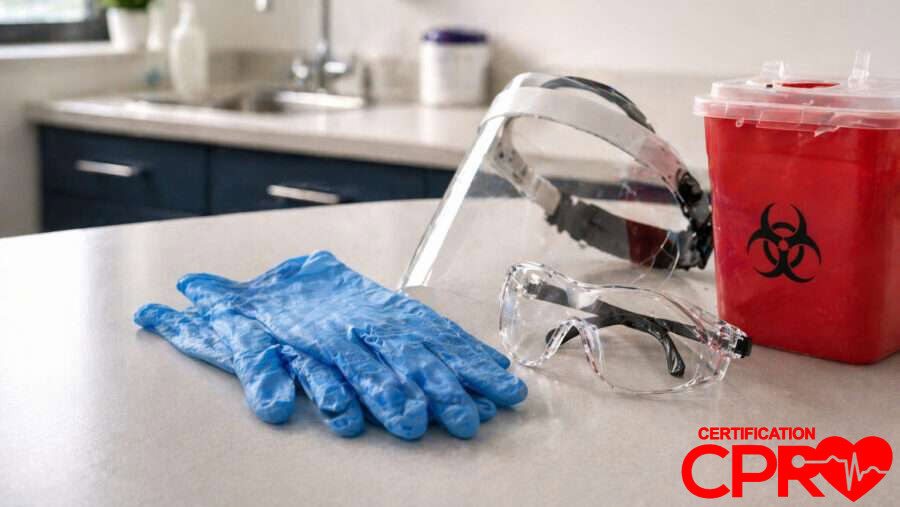
Bloodborne pathogens are not a catchall term for anything dirty or anything that can make somebody sick. They are infectious microorganisms in human blood that can cause disease, and the reason the term matters is practical: some jobs put people close enough to blood exposure that they need training, protective steps, and a clear response plan.
The topic comes up in healthcare, dental work, labs, first response, custodial work tied to blood cleanup, tattooing, and any role where blood or other potentially infectious materials may be part of the job. Around Orlando, that can mean a dental office, a med spa, a tattoo studio, or a janitorial team responsible for post-incident cleanup in a public building. OSHA treats it as a workplace safety issue, not just a healthcare topic.
The risk is not “germs in general.” The risk is blood or certain other covered materials getting into the body through a needlestick, a cut, broken skin, the eyes, the mouth, or another mucous membrane.
What Are Bloodborne Pathogens?
OSHA defines bloodborne pathogens as infectious microorganisms in human blood that can cause disease in humans, and that is the definition workplace training is built on.
Upcoming CPR Class Dates and Times
You will also see the term OPIM, which stands for other potentially infectious materials. That can include certain body fluids and materials covered under the OSHA standard. The distinction matters because not every cleanup task and not every body fluid is treated the same way under the rule.
In plain language, this is about exposure risk during work. If a job creates a reasonable chance of contact with blood or other potentially infectious materials, that job needs training, protective steps, and a clear plan for exposure incidents.
Bloodborne pathogens training exists so workers know what counts as exposure, what reduces risk, and what to do if something goes wrong. It should make the hazard clearer, not more abstract.
Most Common Bloodborne Pathogens
The three names that come up most often in bloodborne pathogens training are HIV, hepatitis B virus, and hepatitis C virus. OSHA and most workplace programs focus on them because they are the headline bloodborne risks in occupational exposure planning.
HIV (Human Immunodeficiency Virus)
HIV is the virus that can lead to HIV infection and, if untreated, AIDS. In workplace training, it is included to make one point very clear: blood exposure is not just a paperwork problem. When controls fail, the exposure has to be treated seriously and followed up right away.
Hepatitis B Virus (HBV)
HBV affects the liver and stays central in workplace safety training because it is a major bloodborne risk and because OSHA requires hepatitis B vaccination access for covered employees. A rule that includes training, exposure planning, and vaccination access is not describing a minor hazard.
Hepatitis C Virus (HCV)
HCV also affects the liver and is another major pathogen covered in workplace training. Workers do not need every clinical detail to benefit from that training, but they do need to understand that blood exposure can carry serious consequences and that protective steps matter every time, not just when a scene looks dramatic.
How Bloodborne Pathogens Spread
Bloodborne pathogens spread through exposure to infected blood and certain other potentially infectious materials. In workplaces, that often means a needlestick, a sharps injury, blood contact with broken skin, or blood getting into the eyes, nose, or mouth.
Gloves, face protection, safer sharps handling, cleanup procedures, and hand hygiene show up over and over in training for exactly that reason. Exposure does not always happen in a dramatic scene. It often happens in the small routine moments when someone cuts a corner or assumes a needle, surface, or splash is not a big deal.
OSHA’s bloodborne pathogens standard is built around universal precautions. That means blood and covered materials are treated as if they are infectious because workers usually do not know what they are dealing with in the moment.
Training has to stay practical here. Workers need to know what to do with used sharps, how to handle blood cleanup, when PPE is required, and what counts as an exposure incident. For employers and employees who want those steps spelled out more clearly, bloodborne pathogens training: what to expect is the companion piece.
Who Is at Risk for Bloodborne Pathogen Exposure?
Upcoming CPR Class Dates and Times
Workers at higher risk usually include healthcare staff, dental teams, lab workers, first responders, housekeeping or custodial staff who clean up blood, body art professionals, and others whose duties can reasonably involve blood exposure.
Risk is tied to the work, not just the job title. A worker in a non-hospital setting may still fall under the OSHA standard if the actual duties create expected exposure to blood or other potentially infectious materials. A broad safety talk is not enough when the job includes sharps handling, blood cleanup, or direct patient care. Covered workers need training that matches the exposure risk they actually face.