
Bloodborne Pathogens Training: What to Expect
Good bloodborne pathogens training should leave workers with a clear picture of what exposure looks like on the job and what to do next if it happens. A course that covers the OSHA definitions and then boils everything down to “follow your employer’s plan” is leaving out the part workers actually need when the pressure is on.
The pathogens that come up most are HIV, hepatitis B, and hepatitis C. Just as important are the exposure routes that matter in real workplaces: needlesticks, sharps injuries, blood splashes to the eyes or mouth, and contact with non-intact skin or mucous membranes involving blood or other potentially infectious materials. Workers should leave training able to name those routes, not just nod at them on a checklist.
OSHA requires bloodborne pathogens training for employees with occupational exposure under 29 CFR 1910.1030. That training must be provided at hire and at least annually after that, not once and forgotten.
What’s Covered in Bloodborne Pathogens Training
A useful BBP class covers more than definitions. Workers should leave understanding the main pathogens, the ways exposure actually happens on the job, the protective steps that reduce risk, and the reporting path that starts the moment something goes wrong.
Upcoming CPR Class Dates and Times
- How exposure happens through needlesticks, cuts, splashes to the eyes, nose, or mouth, and contact with non-intact skin
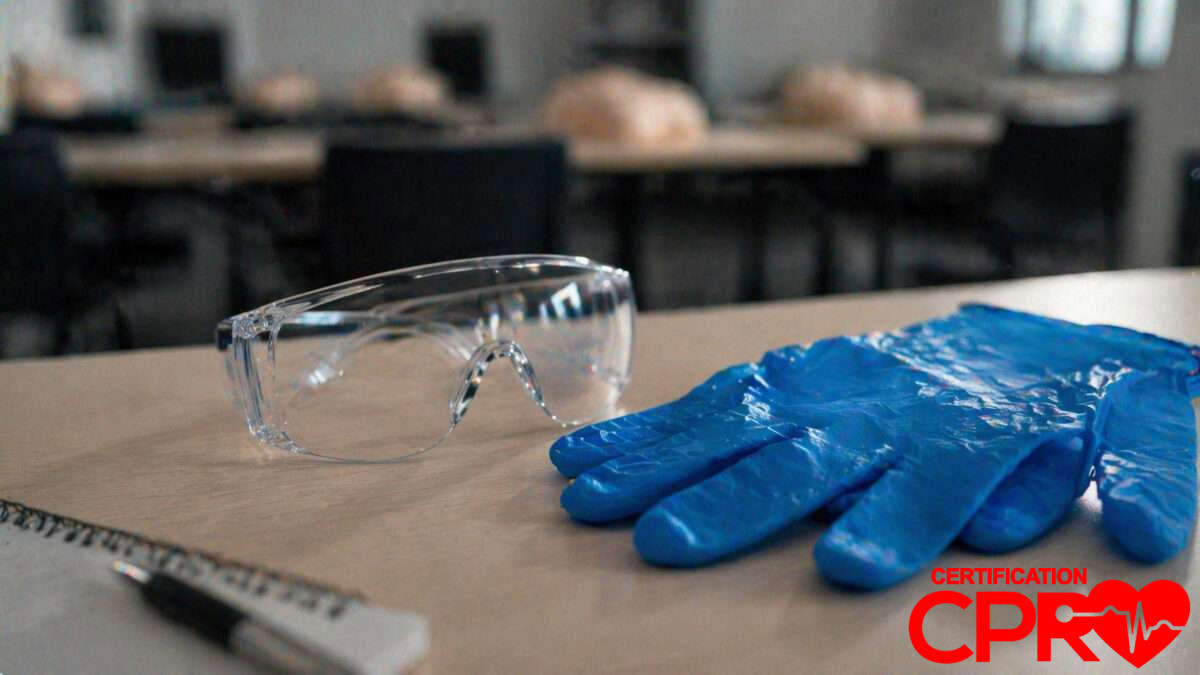
- How to choose and use PPE such as gloves, eye protection, gowns, and face shields when the task calls for them
- How sharps containers work and what safe disposal looks like
- What the employer’s exposure control plan says, where to find it, and who to report to after an incident
- What cleanup, labeling, and housekeeping rules apply when blood or other potentially infectious material is present
If you need the baseline explainer first, what are bloodborne pathogens is the best starting point before getting into training expectations.
How Long Is Bloodborne Pathogens Training?
The exact length varies by employer and course format, but the bigger issue is frequency. OSHA requires annual retraining for covered employees, and additional training is required whenever tasks or procedures change in a way that affects exposure risk.
The annual refresher matters because exposure-control rules, reporting expectations, PPE habits, and cleanup steps get rusty when nobody revisits them. Training is supposed to keep the response current instead of leaving workers to rely on a half-remembered orientation from years ago.
Cleaning Blood Spills: Basic Steps
A good BBP class does not stop at theory. It should walk through what happens when blood is on a floor, counter, treatment area, or piece of equipment and somebody has to clean it up safely.
- Keep other people out of the area and put on the PPE the workplace requires before touching anything.
- Use the employer’s approved cleanup materials and follow the written disinfecting process instead of improvising with whatever is nearby.
- Dispose of contaminated materials the way the exposure-control plan specifies, and never place sharps in regular trash.
- Wash hands immediately after cleanup, and if any splash, puncture, or skin exposure occurred, report it right away so medical follow-up can start.
Workers should not be guessing through blood cleanup or exposure response in the moment. Good training makes the cleanup steps, the reporting path, and the medical follow-up process feel familiar before an incident happens.
Sharps Container Basics and Safe Disposal
Sharps go into approved puncture-resistant sharps containers, not into regular trash. Workers should know where those containers are located, when they are considered too full, and who is responsible for replacement and disposal, all of that before they ever face the decision mid-shift.
Safe sharps handling is one of the primary ways workplaces reduce needlestick risk, not a housekeeping detail to clean up later.
Bloodborne Pathogens Certification Renewal
Upcoming CPR Class Dates and Times
For covered workers, bloodborne pathogens training is not a one-time class. The OSHA standard calls for annual retraining, plus additional sessions when duties or procedures change in ways that affect exposure risk. Employers should plan around that rhythm instead of treating the refresher as an afterthought.
If bloodborne-pathogens training is part of a larger emergency-response plan, pair it with CPR training so workers are not learning exposure response in isolation from CPR and AED readiness.