
AED for Businesses: Costs, Requirements & Maintenance
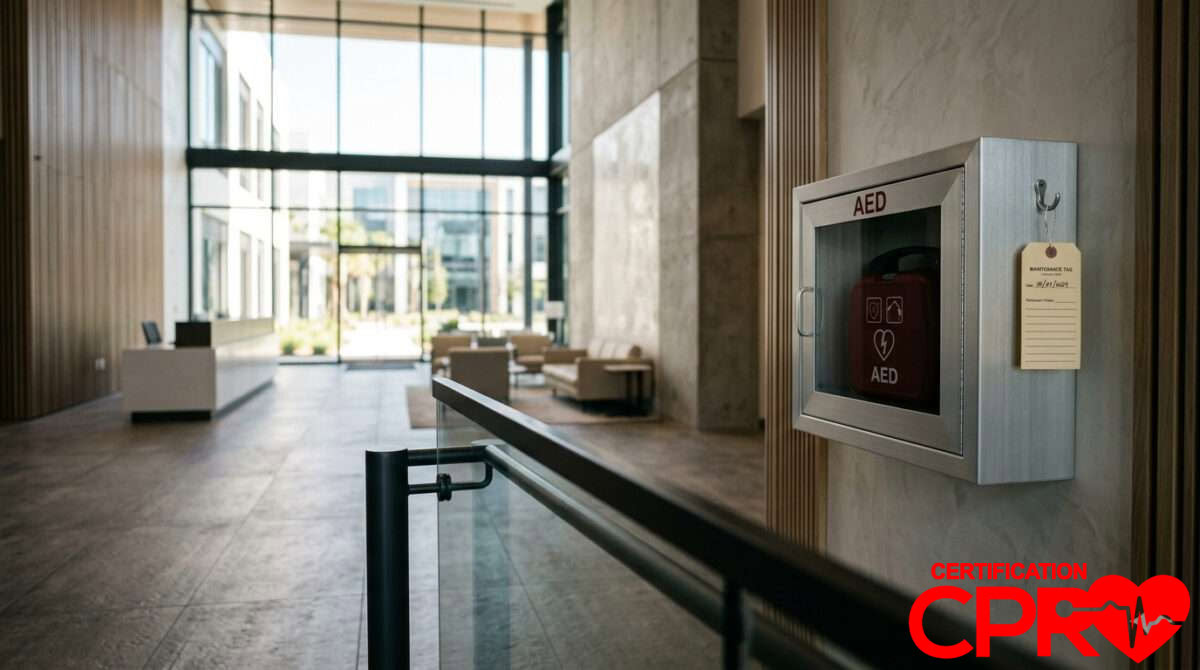
An AED is a one-time purchase with ongoing maintenance costs. Understanding both sides of that equation before you buy helps you budget accurately and keeps the device ready to use throughout its service life. A unit that sits in a cabinet with expired pads and a depleted battery offers no protection at all.
The range of purchase prices is wide, and the differences between units are meaningful. Entry-level devices from reputable manufacturers work reliably and carry appropriate FDA clearance. More expensive units may include features like real-time CPR feedback, longer pad life, or expanded connectivity for fleet management. Which features matter depends on your setting and how many units you are managing.
Maintenance is where many organizations underestimate the true cost of AED ownership. The device itself lasts a decade or more when properly maintained, but pads and batteries need regular replacement and represent a recurring annual budget line. Planning for those costs from the beginning avoids the situation where a device is deployed but not actually maintained.
AED Purchase Price Ranges
As of 2026, consumer-grade AEDs from established manufacturers commonly start in the range of $1,200 to $1,800. These units include the features most responders need: voice prompts, rhythm analysis, shock delivery, and a carrying case. They are appropriate for workplaces, schools, gyms, and most public settings.
Upcoming CPR Class Dates and Times
Mid-range units from $1,800 to $2,500 often add features like real-time CPR coaching, higher-resolution displays, and longer electrode pad shelf life. Some include Wi-Fi connectivity for remote status monitoring, useful for facilities managing multiple units across a building or campus.
Professional and hospital-grade units at $2,500 and above are typically designed for medical settings and EMS environments where manual override, more detailed rhythm display, and integration with patient monitoring systems are needed. For most workplace and community deployments, the entry-level to mid-range units are the appropriate choice.
Electrode Pad Costs and Replacement Schedule
Electrode pads are the most frequent recurring cost in AED ownership. Most pads have a shelf life of two to four years from the manufacturing date. A replacement set typically costs $25 to $60 depending on the manufacturer and whether adult or pediatric pads are being replaced. Budget for replacement every two years as a conservative planning figure.
After any actual use, pads must be replaced immediately. Used pads cannot be re-applied. Many facilities keep a spare set on hand near each unit so that the device can return to service quickly after deployment. That spare set should be part of your standard purchase when you buy the device, not an afterthought.
Pad expiration dates are printed on the packaging and on the pad connector. Check these during every inspection. An AED with expired pads may still analyze and attempt to shock, but adhesion and conductivity can be affected by aging gel. Do not extend pad life beyond the labeled expiration date.
Battery Costs and Replacement Schedule
AED batteries are designed to last four to ten years in standby mode, depending on the manufacturer and model. Replacement batteries cost between $100 and $300. The battery life countdown begins when the battery is installed, not when the device is purchased, so check installation dates during your maintenance records review.
Most AEDs have a status indicator light on the front of the device that confirms the battery is charged and the unit is ready. If the indicator shows a warning, the battery may need replacement or the device may need service. Do not assume the light is working correctly without periodic manual verification according to the manufacturer’s testing procedure.
Batteries cannot be recharged. When a battery reaches its replacement date or shows low-charge status, it needs to be replaced with a manufacturer-specified unit. Using a non-compatible battery can void the warranty and may affect device performance. Order replacement batteries before the current one expires to avoid any gap in readiness.
Cabinet and Accessory Costs
A wall-mounted cabinet adds $50 to $200 to the initial cost depending on whether it is alarmed. Alarmed cabinets are worth the additional cost in most settings because the alert function signals bystanders that an emergency response has started and discourages casual access that could displace or damage the device.
AED kits often include a razor for chest hair removal, a pair of gloves, a face shield, and scissors. These consumables need to be restocked after each use and checked during inspections. Many facilities keep a complete spare kit alongside the device so that consumables are always available.
Signs and overhead markers are a one-time purchase that significantly affects how quickly someone unfamiliar with the building can find the device. Budget $20 to $50 per installation for proper signage. This cost is small relative to the device investment but matters greatly in a real emergency.
Total Cost of Ownership Over Five Years
A realistic five-year cost estimate for a single workplace AED installation looks something like this. Initial purchase of a mid-range device: approximately $1,500. Cabinet and signage: $150. Two pad replacements over five years: $100. One battery check or replacement at year four: $200. Training for staff: variable, but $500 to $1,500 for a group session. Total over five years: roughly $2,500 to $3,500 depending on device choice and training frequency.
Upcoming CPR Class Dates and Times
That figure, spread across five years and across the number of people who work in or pass through your facility, is a small per-person cost. The calculation shifts considerably when weighed against the survival benefit of having a device available versus not having one. The out-of-hospital cardiac arrest survival rate with early defibrillation is meaningfully higher than without it.
Pairing the device with training is part of making the investment worthwhile. An AED in a building where nobody knows how to use it or where to find it delivers less value than one where trained staff are ready to act. Onsite CPR and AED training makes the device part of an active response plan rather than just a wall fixture.